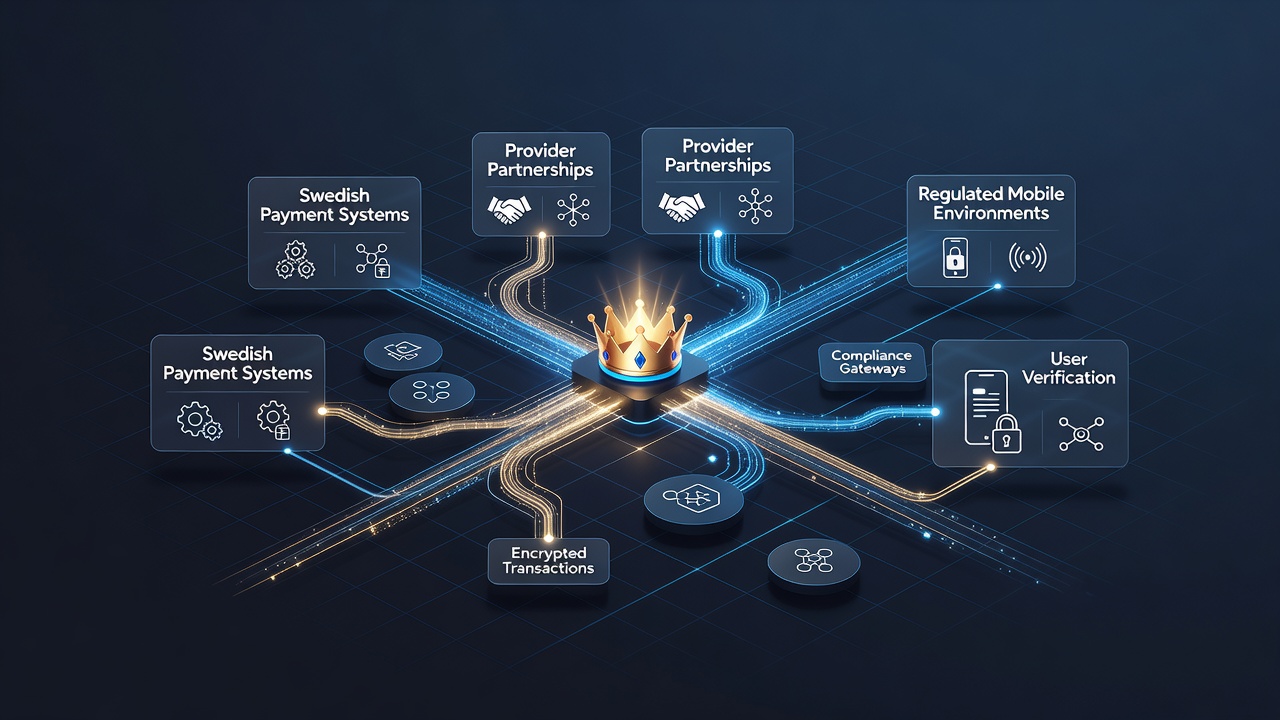
Tracing Jackpot Pathways Through Swedish Payment Systems and Provider Partnerships in Regulated Mobile Environments
Swedish regulated mobile environments handle jackpot pathways through integrated payment systems that connect licensed operators with game providers under strict oversight from Spelinspektionen. These pathways track funds from player deposits to prize pools while maintaining compliance across mobile applications and platforms.
Payment Infrastructure in Swedish Mobile Gaming
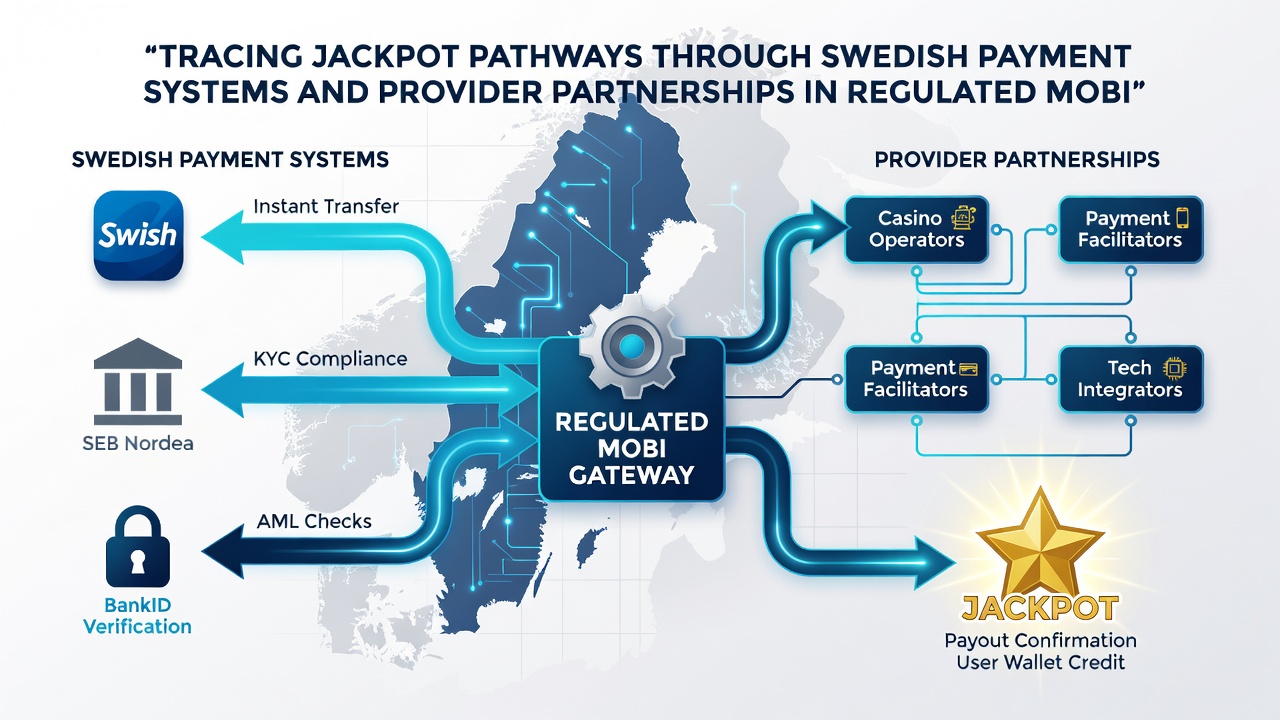
Swedish payment systems such as Swish and Trustly facilitate real-time transfers that feed directly into jackpot mechanisms on mobile devices. Operators integrate these tools with backend ledgers so that each transaction updates centralized prize pools managed through provider partnerships. Data from the Swedish Tax Agency shows transaction volumes in the gambling sector reached record levels by mid-2026, with mobile channels accounting for over 70 percent of activity.
Regulated environments require that every deposit and withdrawal logs into audit trails accessible to authorities. Partnerships between payment processors and software developers allow automated reconciliation that prevents discrepancies in jackpot calculations during high-volume periods. Observers note how these systems reduce latency on mobile networks, ensuring players see accurate balance updates within seconds of a transaction.
Provider Partnerships and Jackpot Mechanics
Game providers including NetEnt and Evolution Gaming maintain formal agreements with Swedish operators to pool contributions across multiple titles. These partnerships define how percentages of wagers flow into progressive jackpots while adhering to licensing conditions that cap maximum payouts and require independent testing. As of August 2026, several operators expanded mobile-specific integrations that sync jackpot states across devices in real time.
Researchers from academic institutions in Scandinavia have examined how such collaborations influence prize distribution. Their studies indicate that shared networks allow smaller operators to participate in larger pools without direct infrastructure investment. Payment gateways serve as the intermediary layer, routing portions of each stake according to predefined formulas established in provider contracts.
Tracing Funds Through Mobile Channels
Tracing begins at the point of deposit when a player initiates a transfer via a licensed mobile app. The payment processor validates the transaction against player accounts before allocating segments to game servers and jackpot reserves. Provider systems then monitor these allocations using encrypted APIs that maintain separation between operational funds and prize pools.
Industry reports from the European Gaming and Betting Association highlight how Swedish frameworks emphasize end-to-end visibility. European Gaming and Betting Association reports document cases where audit logs captured every step of a jackpot win on mobile platforms, from initial wager through payout authorization. This level of detail supports rapid resolution of disputes and confirms compliance with responsible gaming limits.
Mobile environments introduce variables such as network handoffs and device-specific encryption. Partnerships address these by deploying standardized protocols that preserve data integrity regardless of connection type. Experts have observed that operators investing in unified dashboards gain clearer oversight of cross-provider jackpot movements, particularly during peak evening hours when activity spikes.
Regulatory Oversight and Compliance Pathways
Spelinspektionen mandates regular reporting on jackpot performance, including breakdowns by payment method and device type. Licensed entities submit monthly datasets that detail contribution rates, trigger events, and distribution outcomes. These requirements extend to third-party providers, who must demonstrate that their software interfaces correctly with approved payment rails.
One case involved a major operator that traced a multi-million krona jackpot back through layered partnerships, verifying that all mobile transactions aligned with regulatory caps. Such exercises rely on timestamped records from both payment processors and game servers. Data indicates that compliance audits have grown more sophisticated since the expansion of mobile-first licensing in prior years.
Future Developments in Swedish Systems
By August 2026, emerging technologies like instant bank transfers and tokenized payments continue to integrate with existing jackpot frameworks. Providers test new mobile interfaces that embed compliance checks directly into transaction flows, reducing manual oversight needs. Partnerships now extend to cybersecurity firms that monitor for anomalies in real-time data streams across Swedish networks.
Conclusion
Swedish payment systems and provider partnerships form interconnected pathways that support transparent jackpot operations in regulated mobile environments. Continuous logging, standardized protocols, and regulatory reporting ensure traceability from deposit to payout. As mobile usage dominates the sector, these structures adapt to maintain integrity while accommodating higher transaction volumes and evolving technologies.