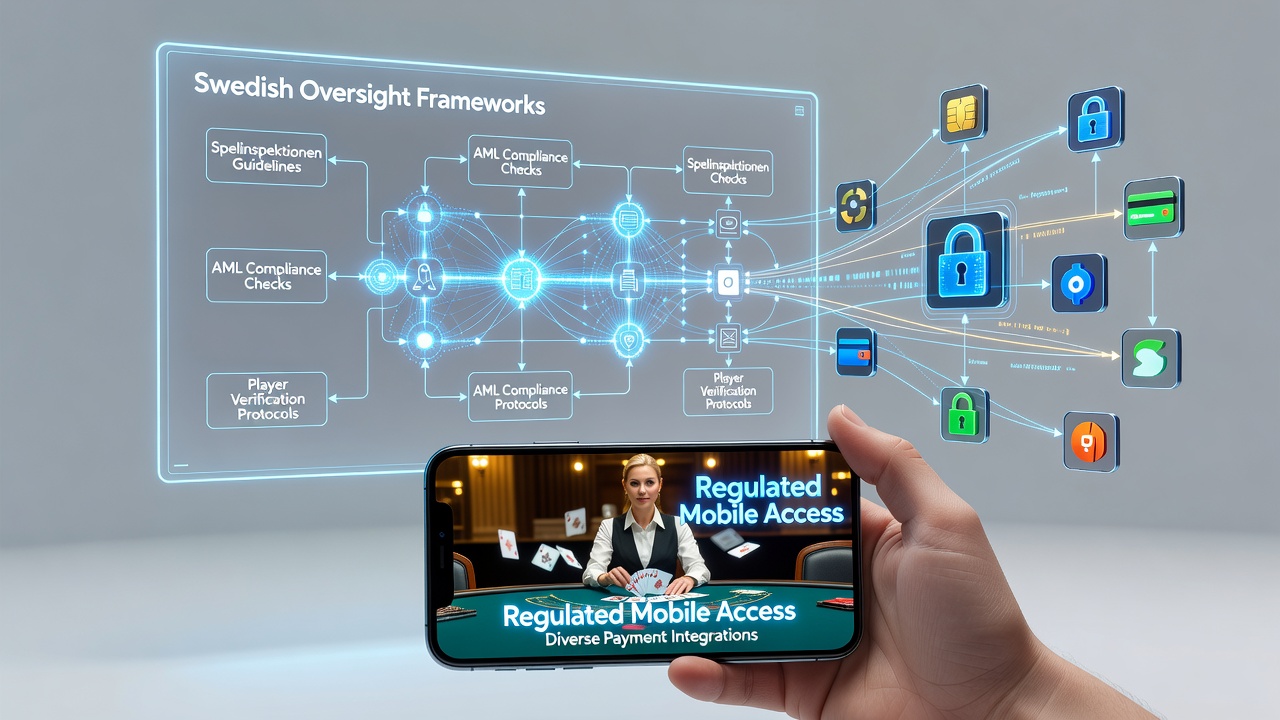
Swedish Oversight Frameworks Shaping Live Dealer Accessibility Through Diverse Payment Integrations on Regulated Mobile Platforms
Swedish authorities maintain strict licensing requirements that directly affect how live dealer games reach players on mobile devices, and these rules tie into approved payment systems that operators must integrate to stay compliant. The framework centers on the Swedish Gambling Authority which evaluates both game delivery methods and financial transaction security before granting or renewing permits. Operators face ongoing audits that check whether live dealer streams meet technical standards for real-time interaction while payment gateways support methods such as bank transfers, digital wallets, and instant mobile solutions.
Core Elements of the Licensing Process
Applicants submit detailed documentation that covers server locations, software providers, and encryption protocols for every payment channel used on mobile apps. Reviewers examine how each integration handles player verification and transaction logging, because any gap can delay approval or trigger conditions on the license. Data released in August 2026 indicated that processing times for renewals averaged four months when payment partners already held pre-approved status with the authority.
Live Dealer Technical Requirements
Live dealer studios must connect through platforms that guarantee low-latency video feeds on smartphones and tablets, while the same connection pathways often carry payment confirmations back to the operator database. Regulators require separate testing for each mobile operating system version to confirm that dealer interactions remain uninterrupted during deposit or withdrawal sequences. One study from the University of Nevada, Las Vegas gaming research center found that platforms using multiple certified payment rails experienced fewer session interruptions than those limited to single-method setups.
Payment Integration Standards and Player Access
Approved operators incorporate at least three distinct payment categories to satisfy accessibility criteria, and these categories include traditional bank links, prepaid card options, and real-time account-to-account transfers. Each method undergoes security validation that checks for compliance with anti-money laundering protocols before it appears in the mobile interface. Turns out the authority updates its approved list quarterly, which means providers must monitor changes if they want to keep all options active for Swedish users.
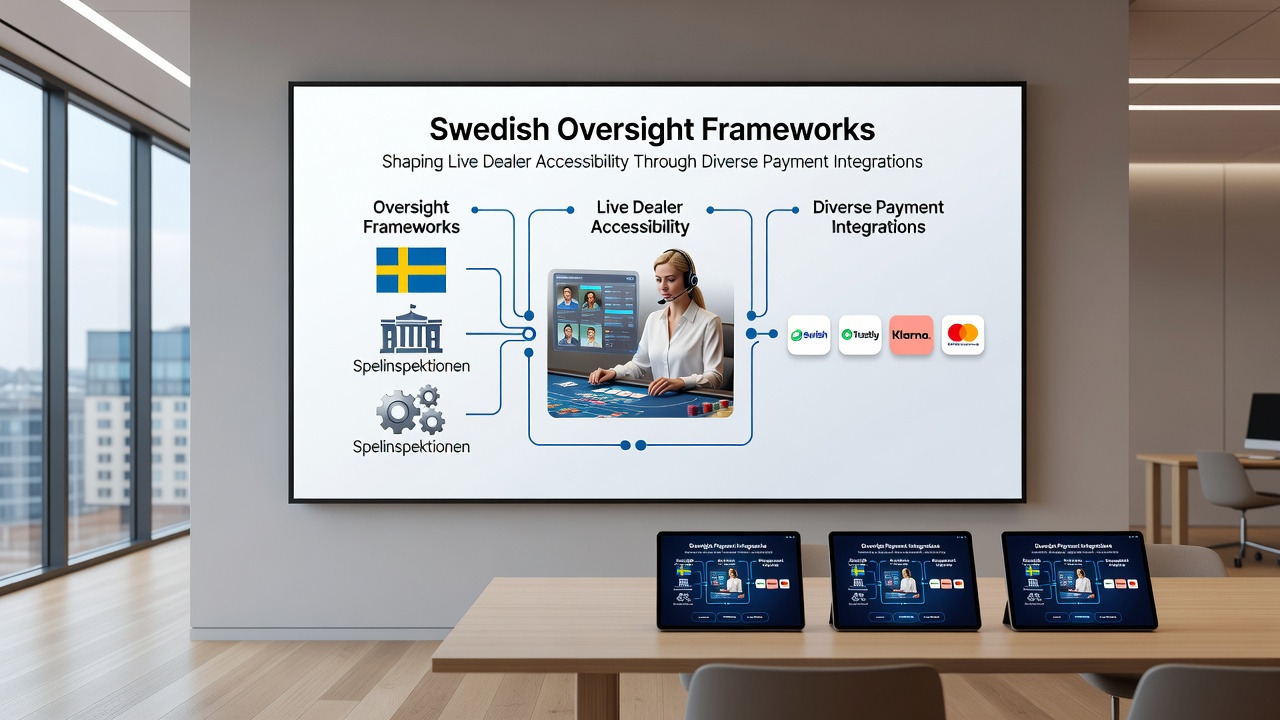
Integration timelines vary because new payment partners require fresh risk assessments that evaluate fraud detection rates across previous twelve-month periods. Observers note that operators who maintain relationships with established Swedish banks often complete these reviews faster than those introducing international fintech solutions. The process also covers how refunds and chargebacks flow back through the same channels without exposing player data during mobile sessions.
Recent Developments in Oversight Practices
Updates issued during 2025 and 2026 refined the criteria for mobile-specific testing environments, and these adjustments emphasized continuous monitoring of live dealer feeds alongside payment flow logs. Figures from the European Commission digital market reports showed rising adoption of instant payment rails in regulated markets, which prompted Swedish reviewers to expand their checklist for transaction speed benchmarks. Operators now submit monthly compliance summaries that track average processing times for deposits made during live sessions.
Case examples illustrate how one provider adjusted its wallet integration after an audit revealed minor discrepancies in timestamp synchronization between dealer actions and payment confirmations. The adjustment involved adding redundant servers that mirror transaction data in real time, and subsequent checks confirmed alignment with authority expectations. Those who've studied similar cases report that such modifications typically add two to three weeks to deployment schedules but reduce future audit findings.
Regional Comparisons and Broader Context
Swedish rules differ from approaches taken in other jurisdictions where mobile payment diversity receives less direct linkage to live dealer licensing. Research from the Canadian Centre for Gambling Research highlights that integrated oversight models tend to produce higher rates of verified transactions on mobile devices compared with segmented regulatory systems. Swedish operators therefore maintain cross-functional teams that coordinate game certification with payment partner onboarding to avoid bottlenecks.
Future Outlook for Compliance
Anticipated refinements focus on emerging payment technologies such as open banking APIs and their compatibility with existing live dealer platforms. Regulators continue to evaluate how these tools affect player verification speed without compromising security layers already in place. Documentation requirements will likely expand to include stress-test results for high-volume periods, especially during evenings when live dealer tables see peak mobile traffic.
Conclusion
Swedish oversight frameworks connect live dealer accessibility directly to the range and reliability of payment integrations on regulated mobile platforms through detailed licensing, technical audits, and ongoing reporting. The system ensures that approved operators deliver consistent experiences while meeting security and transparency standards set by the authority. Continued monitoring of transaction data and session performance supports adjustments that keep mobile offerings aligned with regulatory expectations across evolving payment landscapes.